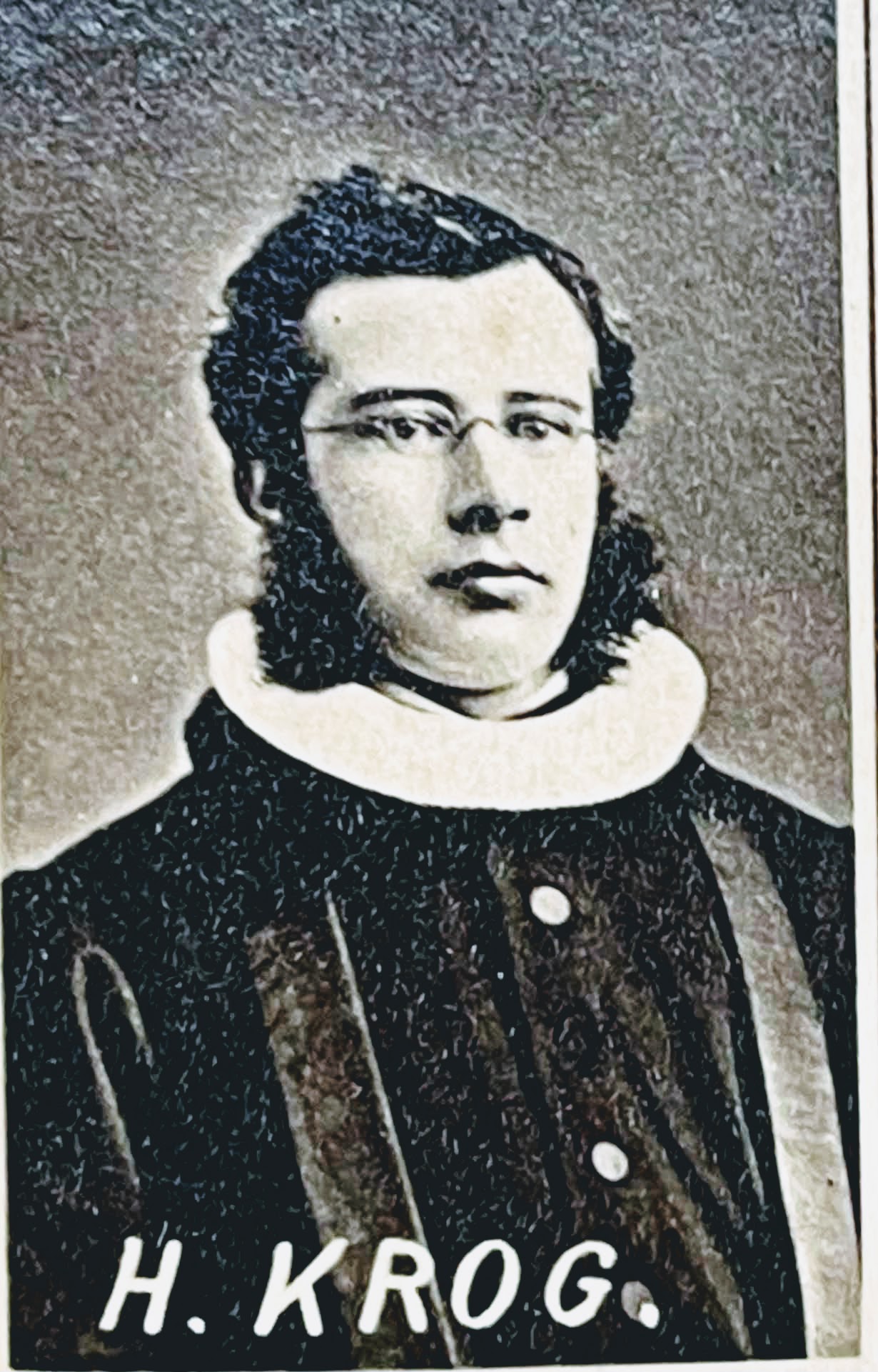
Pastor Hans Jakob Grøgaard Krog:
Pastor Muus’ development of the conversion process cannot be applied to the conversions that we hear about in the Scriptures or in the history of the Christian church, e.g. not to Paul’s conversion.
We are talking here about Pontoppidan’s definition of God’s call. But then we have to let Pontoppidan explain himself. Now how does Pontoppidan understand the words, “gives power to assume?” Pontoppidan depicts just two kinds of state in which man can find himself in this life: The state of sin and the state of grace. Next he teaches that Man is in the state of sin until he is born again; see questions 487 and 488. Pontoppidan believes that man only enters the state of grace at regeneration, question 395. And what does he teach about man’s condition in the state of sin? Does man then have the power, desire, will and freedom to do what God wants, to decide for the Good? No, his will is incapable of good and inclined to all evil. Until regeneration occurs, man is in Satan’s Power. Can the unregenerate man have a power by which he can decide for himself before God? After all, he is still under Satan’s power, and Satan will not allow him to repent and believe. The call must give man ability so that he can accept grace. We do not deny that the Call of every man has full power with it to repentance. But this does not mean that everyone gets power, is partaker of the power to receive grace. The same Word that calls a person is what gives them power to believe. But Pontoppidan says that Man does not get this power until the moment of rebirth.
 Missionsvennen
Leave a comment